

Welcome to Bohol
the Philippines’ first UNESCO Global Geopark
UNESCO GLOBAL GEOPARK. 150 MILLION YEARS IN THE MAKING.
An island that earned its place on the world map
In 2023, Bohol became the Philippines' first UNESCO Global Geopark. The recognition was 150 million years in the making. The island's geological identity was shaped by tectonic forces that raised it from the ocean floor, leaving behind up to 1,776 cone-shaped limestone hills, ancient cave systems, one of only six double-barrier reefs on Earth, and some of the oldest rock formations in the country.
Three sites sit on the UNESCO World Heritage tentative list: the Chocolate Hills, the 18th-century Loboc Church (designated National Historical Landmark and National Cultural Treasure), and the ancient Anda Peninsula petrographs. Bohol is a primary habitat to the Philippine tarsier, one of the world's smallest primates, protected in a dedicated conservation area in the forests of Loboc and Corella.
In 2025, the island's traditional asin tibuok salt-making was inscribed on the UNESCO Intangible Cultural Heritage list. Pure Shores Villa sits on the southeast coast, inside the Geopark boundary.
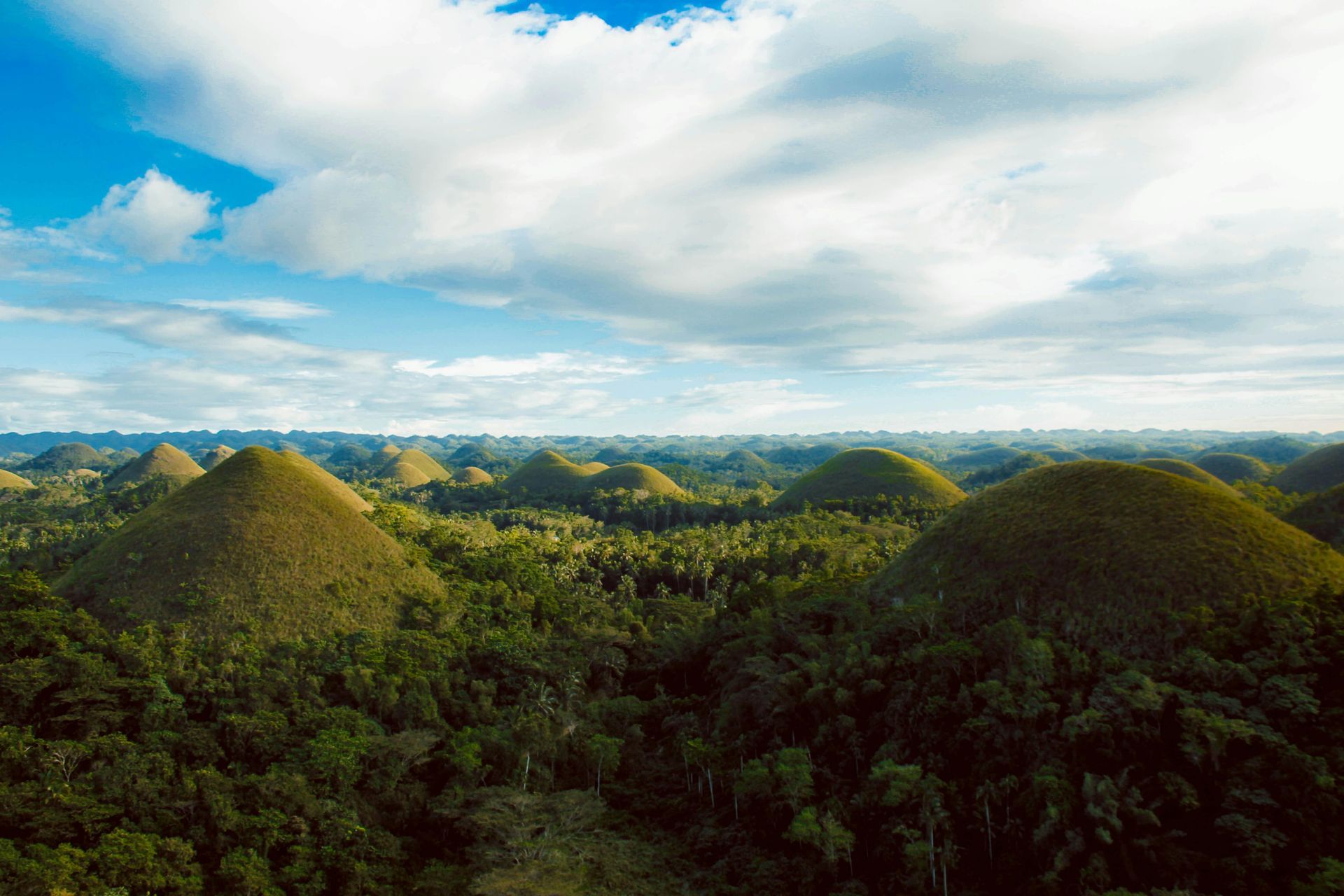
This is up to 1,776, grass-covered limestone hills spread across 50 square kilometres. During the dry season, the green grass dries out and turns a distinct, rich brown colour, creating a "chocolate" landscape that gives them their name. Nobody knows exactly how they formed. The viewing deck in Carmen offers a full panorama. ATV rides take you through the foothills. It is on the UNESCO World Heritage tentative list and one of the most photographed landscapes in Southeast Asia.
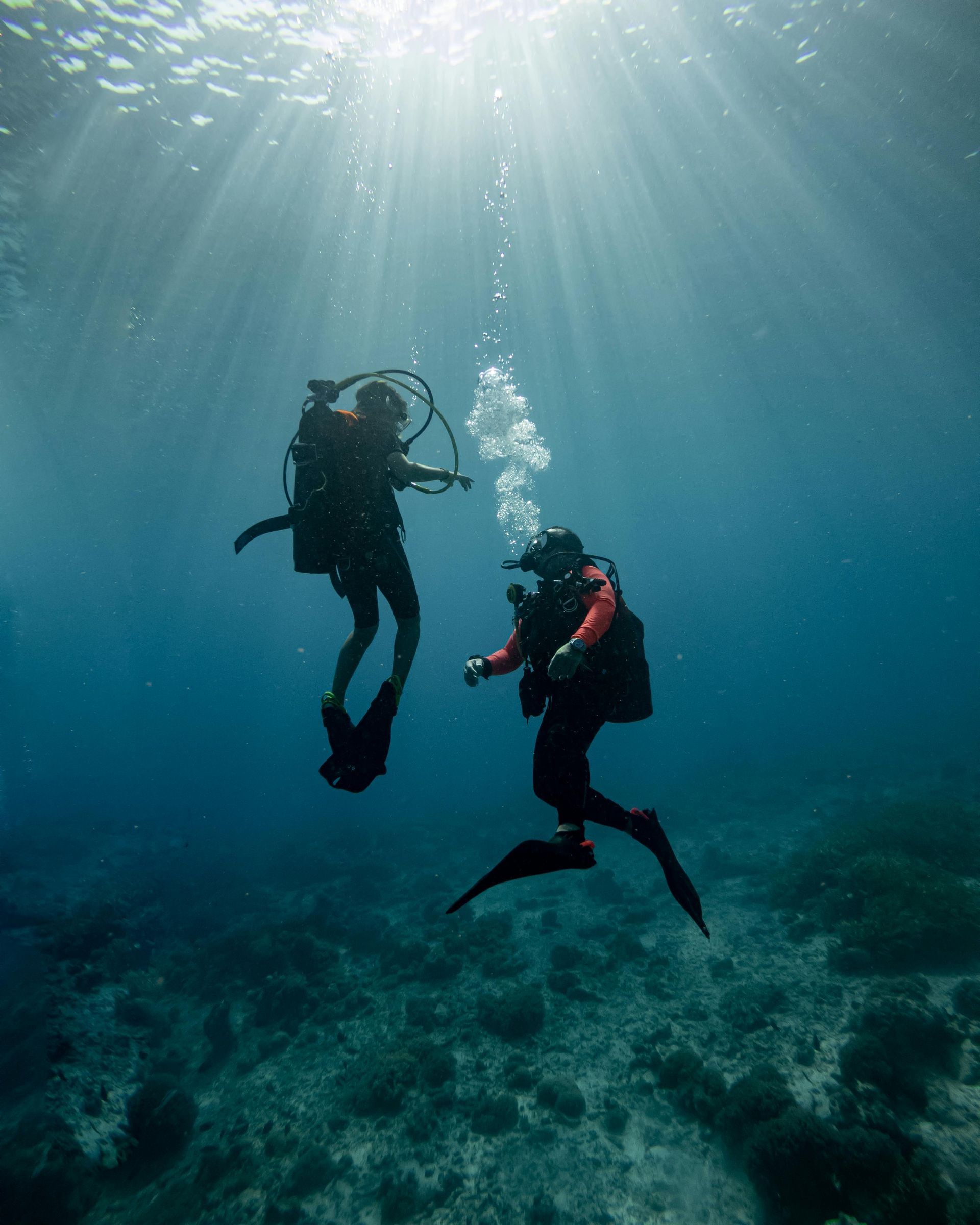
The Philippines is the heart of the Coral Triangle, and Bohol is located within this global centre of marine biodiversity. Visibility reaches 20 to 30 metres on a good day. The Anda Peninsula has some of the healthiest fringing reefs in the country. Renown for its coral walls, excellent muck diving, and thriving marine sanctuaries, Anda is often described as a "hidden gem". Nearby, the Danajon Bank is one of only six double-barrier reefs in the world, and the only one in the Philippines. Whether you snorkel from shore or dive deep, the marine life here is the real thing with immense coral biodiversity.
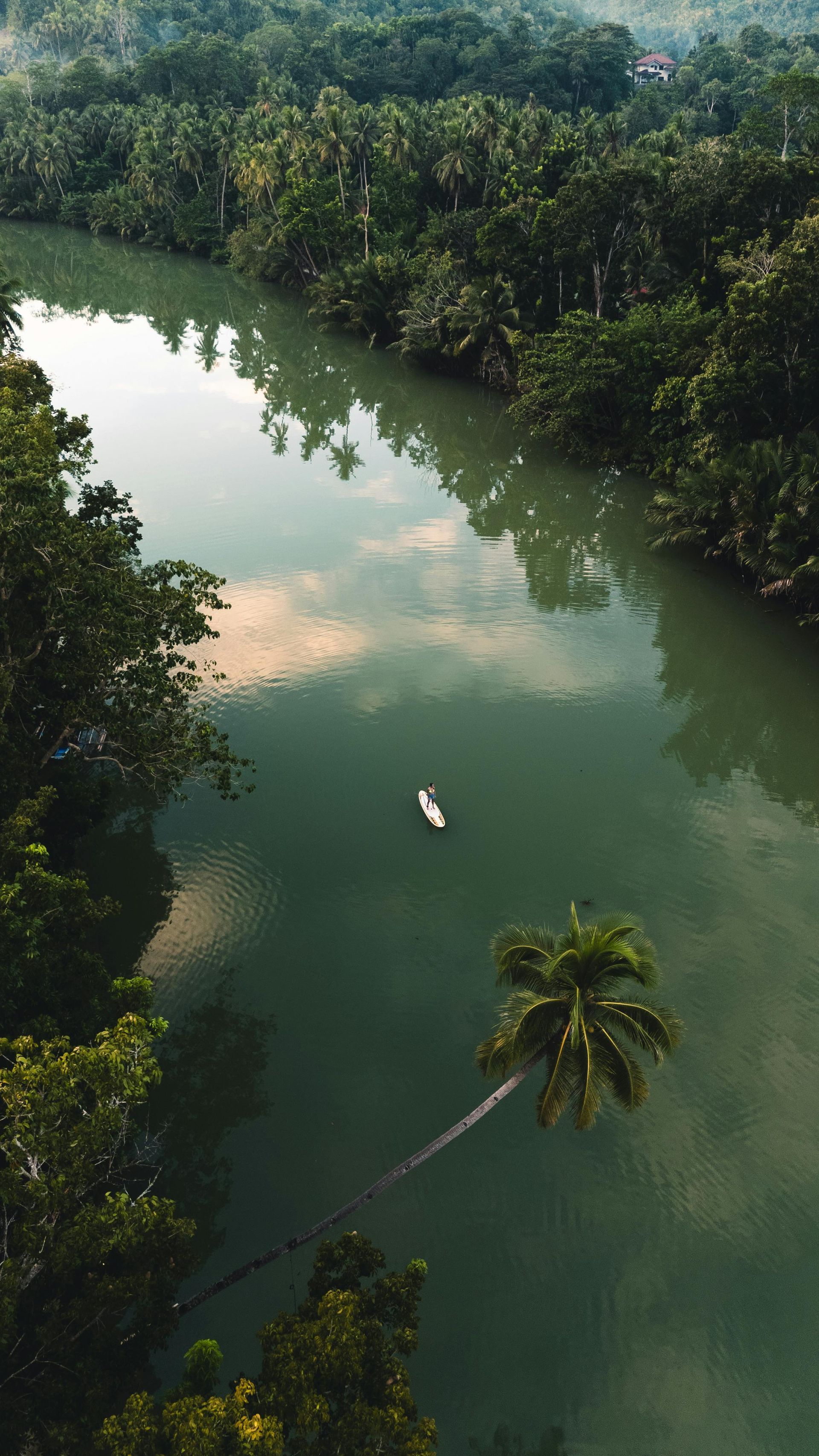
Mountain biking through mahogany forests. Hiking to Candijay rice terraces and Can-umantad Falls. Stand-up paddleboarding on the Loboc River. Cave exploration in Anda. ATV rides across the Chocolate Hills. Ziplining above the Loboc River valley. Bohol has more outdoor terrain than most islands twice its size. Our villa team can arrange any of it.
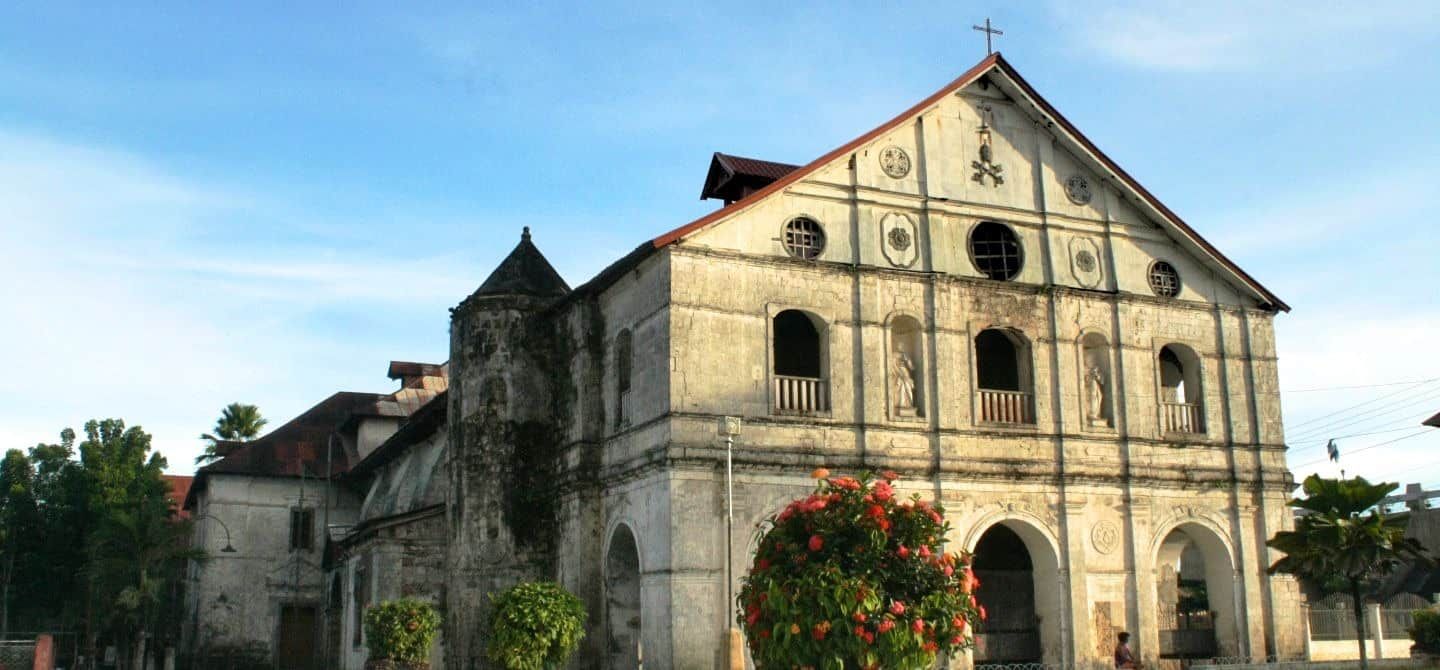
Bohol is renowned for its numerous 16th to 19th-century Spanish-era churches built from coral stone, with over 10 prominent historic churches frequently visited by tourists. The most iconic is the UNESCO-nominated Baclayon Church (completed 1727), one of the oldest Christian settlements and stone churches in the Philippines, constructed from coral stones and mortar made of egg whites, whereas Loon Church (Nuestra Señora de la Luz) is declared a National Cultural Treasure and National Historical Landmark.
In Tagbilaran City, the Blood Compact Site marks the first recorded friendship treaty between Asia and Europe. The Bohol National Museum and heritage homes across the island tell the rest of the story.
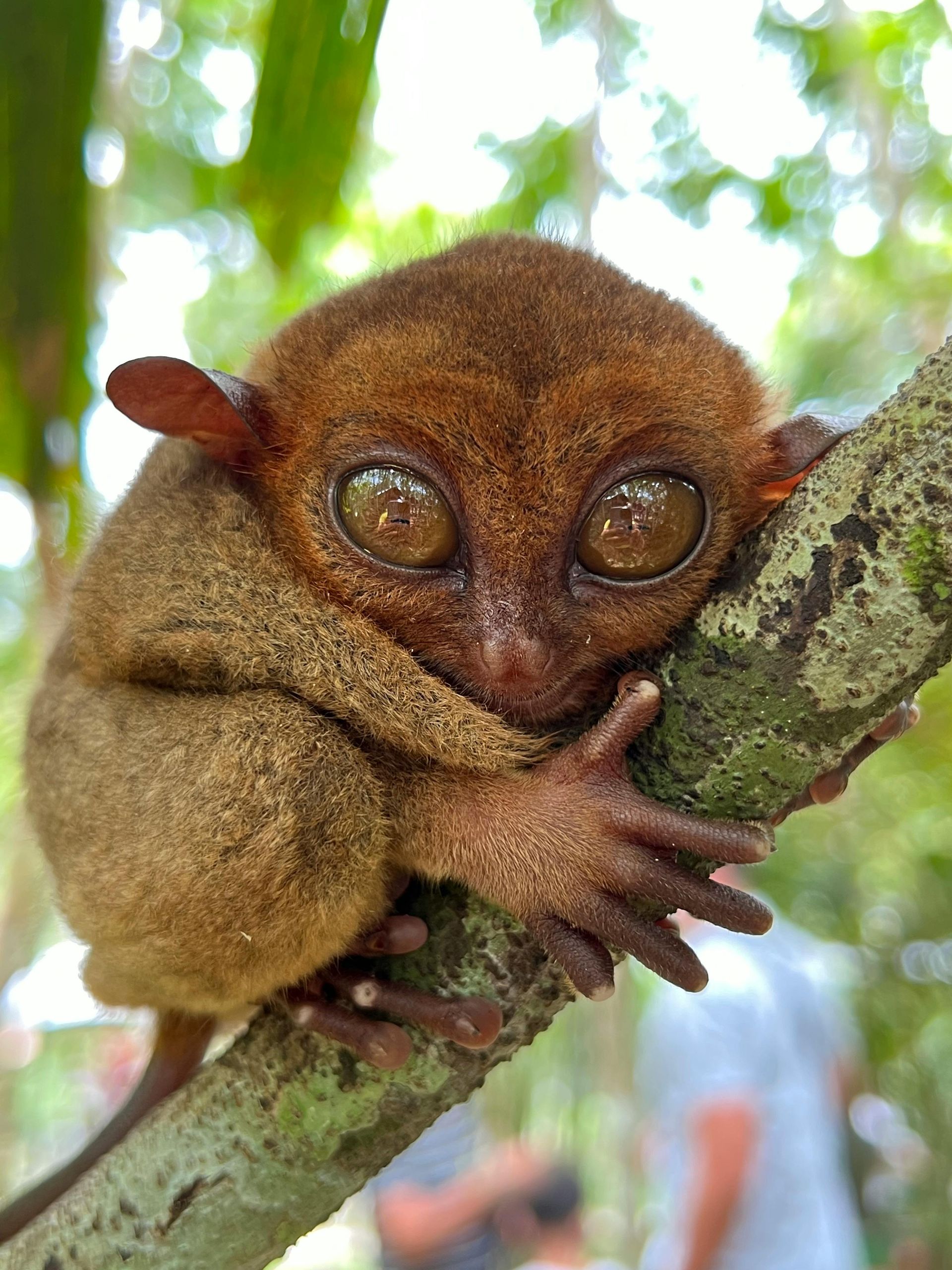
The Philippine tarsier is one of the world's smallest primates. No bigger than a human fist. Enormous eyes. Completely nocturnal. The Tarsier Conservation Area in the forests between Loboc, Corella, and Bilar protects them in their natural habitat. Guides walk you quietly through the trees to spot them perched on branches. It is a genuine wildlife encounter, not a tourist photo op.
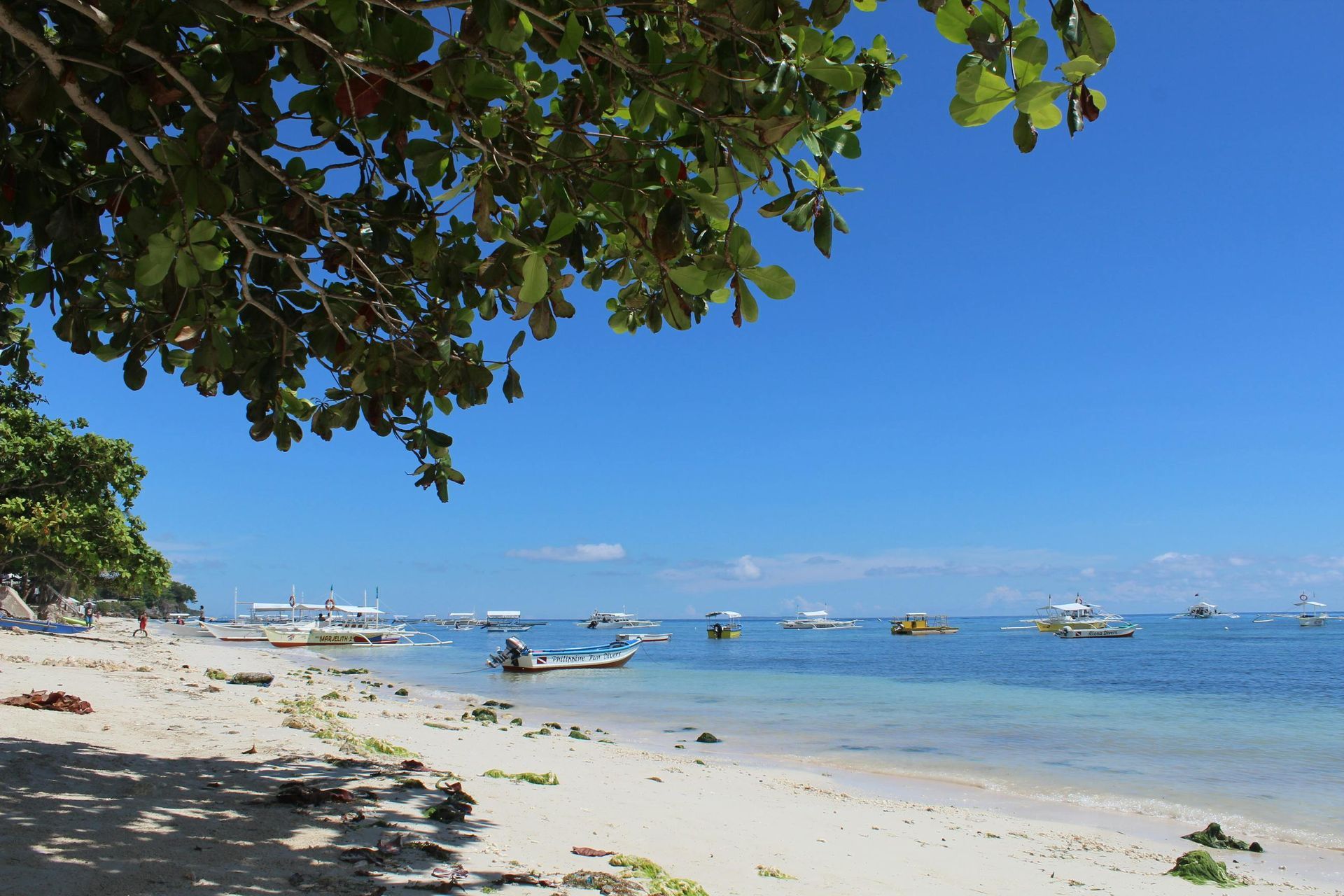
The powder-white sand beaches of the Anda peninsula and Panglao Island are among the finest in the Philippines. Most visitors never find them. Quinale Beach in Anda is nearly empty on weekdays. The offshore islands and hidden coves along the southeast coast are even quieter. Pure Shores Villa sits on this stretch. The sand, the water, the privacy are all within reach.
Bohol guides and resources
- UNESCO Global Geopark [visit here]
- Bohol Tourism [visit here]
- Bohol Island Geopark [visit here]
- Activities at Chocolate Hills Adventure Park [visit here]
- Bohol Guide on Lonely Planet [visit here]
- ATV Terrain Vehicle, Eco-Adventure Tour [visit here]
- Lakwatsero Travel Guide Anda, Bohol [visit here]
- Activities at Danao Adventure Park [visit here]
- Quinale Beach in Anda [visit here]
- Loboc Ecotourism Adventure Park [visit here]
- Lamanoc Island [visit here]
- Dolphin Watching Tours [visit here]
- Candijay Rice Terraces and Waterfalls [visit here]
- SUP Tours, Stand-Up Paddleboard [visit here]
- Loboc River Cruise [visit here]
- Mountain Bike Tours [visit here]
- Bohol National Museum [visit here]
- Ubay Stock Farm [visit here]
- Baclayon Church [visit here]
- Walking Cultural Village Tour [visit here]